

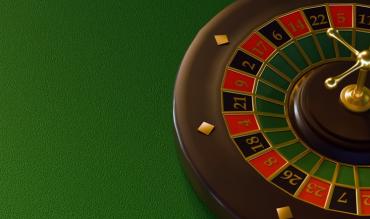

Roulette is a casino game where players bet on which numbered pocket a ball will land in on a spinning wheel and bets can be placed on specific numbers, groups of numbers, or colors.
For online play, 888casino is the place in which to learn the game and enjoy the flow of action.
Before placing your first bet, keep this in mind: European roulette has 37 pockets (1 - 36 plus single zero); American roulette has 38 (1 - 36 plus single zero and double zero). European roulette provides better odds for players, shaving 2.9% off the house edge.
In either version of the game, basic rules are simple, but the bet selection, table layout, and payout structure give the game far more depth than it first appears to possess.
In this addition to our casino guides series, we’ll be showing you everything that you need to know about the game of roulette. This guide includes a review of the roulette variants, how to play the game, and how the betting works.
These all apply to whether you are playing online or in a brick-and-mortar casino.
The Inside Story of Roulette
Unlike blackjack or Texas Hold’em, roulette is a game of pure chance. You place chips on the table layout, where bets can be made on a single number, a small group of numbers, or broader outcomes like red, black, odd, even, high, or low.
As bets are made, the game’s croupier spins the wheel in one direction, and he rolls out the marble-sized ball in the other. Opportunities to bet end when the croupier announces, “No more bets.”
The ball moves along a tilted, circular track and eventually drops into one of 37 or 38 numbered and colored pockets. Winning wagers are decided by where the ball comes to rest. Those who bet on that pocket — via number or color — get the chips.
Winning bets are paid, losing bets get swept from the felt, and then everything starts up all over again.
How to play a round
- Choose your chip value and total stake.
- Decide whether you want inside bets, outside bets, or a mix of both.
- Place your chips on the layout before the dealer says, “No more bets.”
- Watch the wheel spin and observe the ball as it drops into a pocket.
- Collect winnings or accept the loss and place your next bet for the following spin while hoping for better luck next time.
Is Roulette Purely Luck?
Yes, roulette is purely luck-based. The wheel does not respond to timing, betting patterns, or player skill. No strategy can change where the ball lands.
This is not to say that players have no control over the risks they take. Considering the variety of bets, their odds, and their payouts, you can control the amount of risk taken on each spin – even if betting the same dollar amount every time.
Roulette Variants and House Edge
Different roulette variants change the odds by adding or removing zero pockets or by adding rules that alter the payouts. Hence, the chosen version matters more than many beginners realize.
European roulette is most desirable for the majority of players because it only uses a single zero. American roulette adds the double zero, which increases the house edge.
French roulette uses the same wheel as European roulette, but La Partage and En Prison reduce the sting on even-money bets when zero lands.
Lightning Roulette is a different kind of live game entirely. It keeps the roulette core, but adds randomly generated multipliers to winning payouts. The appeal comes from the action generated by ever changing payouts.
Bet Types and Payouts
Roulette’s betting menu is easy to learn once you see how the table is split into inside bets and outside bets. Inside bets are wagers on individual numbers. Outside bets are wagers on groups of numbers (say, the 1st 12 numbers).
Inside bets pay more when they hit, but they are longer shots. Outside bets land more frequently, but they pay off at lower rates.
Here’s a look at the roulette odds and payouts you can expect when you play.
Inside bets
Inside bets are classic one-number bets. They offer the richest payouts in a standard game of roulette, but the hit rate is low because you are backing a single pocket.
Split bets are a neat middle ground. They still sit in the inside section, but they give you two ways to win on the same chip. That way if one of two-numbers hits, you receive a payout. Though it will be smaller than betting on just one number, the odds of winning are higher.
Street bets and corner bets widen your coverage again. They are useful if you want a balance between payout and probability without moving to the safer outside bets.
Outside bets
Betting on red or black is a classic outside bet and likeliest to land, though it comes with a modest payout. Nevertheless, it is a good starting point for beginning roulette players.
Dozens and columns also sit in the outside section and pay 2 to 1, which makes them popular with players who want broader coverage.
Even-money bets appeal to those who want to play conservatively. They provide the most frequent wins in the standard game.
La Partage and En Prison
So, let’s get to French roulette with its additional rules and features: La Partage and En Prison. These side bets are an option in French roulette exclusively.
Here is how La Partage works: When the ball lands on zero, the croupier divides all even-money bets into two halves. One half goes to the house and the other half is returned to the player.
Keep in mind that the European wheel only includes one zero. You would be correct to assume that La Partage dramatically lowers the house edge in roulette.
In fact, it reduces the European house edge by half, from 2.70% to 1.35% when the La Partage rule is in place. This means the ball landing on zero, when you did not bet on zero, is significantly less painful
Here is how En Prison works: After the La Partage rule kicks in, you may be given the opportunity to place the remaining bet En Prison. It stays as a wager on the same outcome. If you win, you get back your entire bet. If you lose, you forfeit that second half.
Roulette Surrender
Surrender for roulette was created in Atlantic City and it is an American adaptation of France’s La Partage. When Surrender is in play on an American roulette wheel, players are refunded half their even-money bet when the ball lands on zero or double zero.
That said, whether playing online or in a brick-and-mortar casino, be sure to check that the Surrender rule is on offer.
European Roulette vs. American Roulette
These two forms of the game are differentiated by the inclusion of double zero, along with single zero, on the American roulette wheel. In the European version, there is just the single zero.
As a result, European roulette has 37 pockets with one zero while American roulette has 38 pockets with zero and double zero. The addition of double zero jacks up the house edge and lowers the probability of winning on most standard bets.
If you can choose between the two, opt for European roulette.
What is the Roulette House Edge?
The house edge is the built-in long-term advantage the casino has on a game. In roulette, it exists because zero is not part of the regular red/black, odd/even, or high/low groups, and the overall payouts are set slightly below true odds.
The game is calibrated so the casino retains a mathematical edge on every spin. European roulette maintains a 2.70% house edge; American roulette has a 5.26% house edge.
Playing French roulette, when La Partage or En Prison is applied, can reduce the edge to 1.35% on even-money bets. In the game of roulette this is the most desirable version for players.
Common Roulette Myths
Like many casino games, roulette attracts its share of myths. Here are some of the most common myths and the reasons why they do not truly apply.
- Myth: A number is “due” because it has not hit for a while.
Debunk: Each spin is independent. Hence, past results do not impact the outcome that follows. - Myth: American roulette is only a little worse than European roulette.
Debunk: The extra double zero practically doubles the standard house edge. - Myth: Inside bets are always bad.
Debunk: Inside bets are riskier than outside bets. They hit less often but have higher payouts. Depending on a player’s risk tolerance, inside bets can be beautiful things. - Myth: The ball can be controlled by timing the spin.
Debunk: Roulette is a game of chance, not a game of skill. Timing does not influence the outcome. - Myth: French roulette is a different wheel.
Debunk: French roulette uses the same 37-pocket wheel that is employed for European roulette. The difference comes from the rules that center around zero. - Myth: Higher stakes improve the odds.
Debunk: Bet sizing changes the amount you can win or lose, not the underlying probabilities. - Myth: There’s skill to playing roulette.
Debunk: Unlike what we detail in our blackjack guide, where knowledgeable decisions can influence outcomes, in roulette, every outcome is totally random and cannot be influenced by skill.
How to Choose Your Bets
The style of roulette should be tailored to what players want from the game. Those who want the highest probability of a number hitting, even though winning bets will have smaller payouts, should focus on outside bets.
Those who want larger returns per bet, and are willing to take fewer wins (along with more risk), should make inside bets.
A sensible approach is to mix bet types – so long as you understand the differences between them. Many players prefer one or two favorite bets rather than scattering chips across the layout with no plan. This results in a more straightforward game and avoids larger than expected swings.
Before placing a wager, make sure that that the table minimum fits your budget. A good roulette session starts with a stake level that is comfortable and does not involve chasing results. Hence, it is wise to select your roulette betting systems very carefully. No matter what, play within your budget and have fun.
Tips for Playing Roulette Responsibly
Roulette should always stay in the entertainment lane. It is not a way to earn money, solve financial problems, or improve your social standing.
Set a budget before you start and stick to it. If you reach your loss-limit, stop. Take breaks, do not chase losses, and do not keep playing just because you feel a run is around the corner. If gambling stops being fun, step away and use the Safer Gambling tools available, including the support that can be accessed at www.begambleaware.org.
If you are trying live roulette, keep the same discipline as you would use at any other roulette table. The live dealer format adds atmosphere, but it does not change the game’s underlying math.
Play Live Roulette with the Right Expectations
Live roulette is best enjoyed for the pace, the social feel, and the excitement of watching every spin unfold in real time. If you want a version of the game that feels close to what is played on a casino floor, live roulette is the natural place to start.
Frequently Asked Questions About Roulette
What are the rules of roulette?
Players bet on single numbers, colors (usually black or red), or groups of numbers. The croupier drops a marble sized ball onto a spinning wheel with 37 or 38 pockets. The ball drops into one of those pockets and if it correlates with your bet, you win!
What is the difference between American roulette and European roulette?
European roulette has 37 pockets (1 - 36 plus single zero); American has 38 (1 - 36 plus single zero and double zero). European roulette provides better odds for players, shaving 2.56% off the house edge.
What are the inside and outside bets?
Inside bets are wagers on individual numbers (say, 5 or 11). Outside bets are wagers on groups of numbers (say, the 1st 12 numbers or those that correspond to red on the wheel). Inside bets pay more when they hit, but they are longer shots. Outside bets land more frequently, but they pay off at lower rates.
What are the best odds in roulette?
The best odds are the ones that suit your betting style. They all come with a house edge, which is the mathematical advantage that favors the casino on each bet. If you want a large payout on a single wager, then bet on a specific number. If the best odds for you come with a higher potential winner (but a smaller payout), then wager on red/black or odd/even. Overall, the best odds are the ones that will bring you the most enjoyment over a session of play.
